
How Player ID Verification Enhances Security in Gaming Platforms
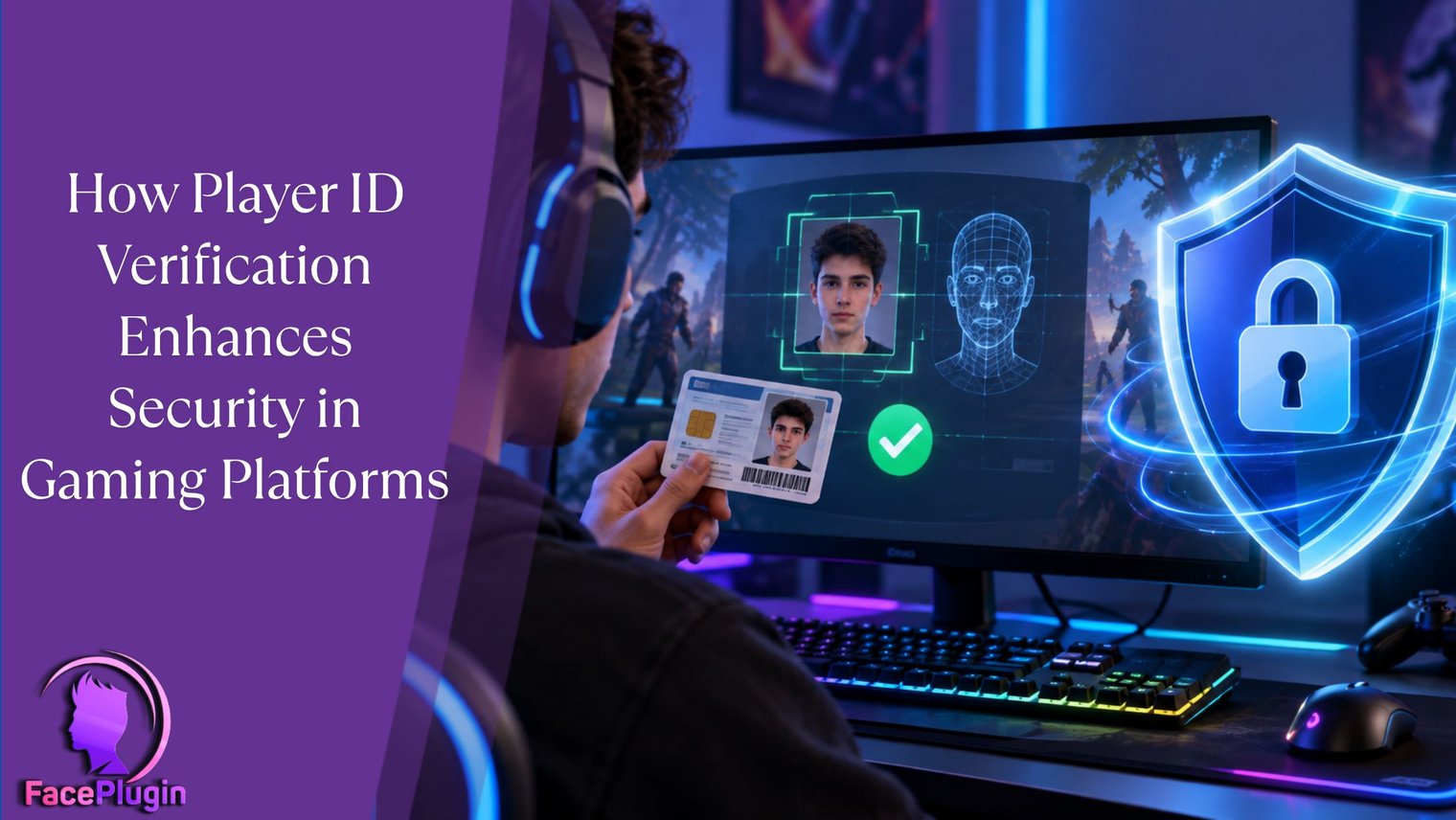
Player identity verification has shifted from a nice-to-have to a baseline requirement for gaming platforms of every size. The industry is expanding at a breakneck pace, and the threat surface is growing right alongside it — fake accounts, underage sign-ups, identity theft, and organized cheating rings all chip away at player trust. Robust ID checks are no longer a support feature; they’re a defensive layer built directly into the product.
Modern gaming is a real economy, not just a pastime. Real money, tradable in-game assets, and competitive standing are all on the line, whether it’s a casual mobile title or a professional eSports league. That’s why identity security now matters to developers, players, payment partners, and regulators alike.
Player ID verification is the mechanism that keeps that economy honest. It confirms who is actually behind each account, filters out fraudulent sign-ups, and enforces age restrictions at the door. Just as important, it levels the playing field: every participant has to be a verified, unique individual before they can compete.
The value goes beyond catching rule-breakers, though. It’s about earning long-term player trust, satisfying regulatory obligations, and keeping the platform resilient as fraud tactics evolve. In an industry where reputation drives retention, skipping player ID verification leaves a platform exposed — and behind the competition.
How Does Player ID Verification Actually Work?
Player ID verification is the technical process gaming platforms use to confirm the real-world identity of the person behind an account. It replaces guesswork with structured authentication.
The workflow combines biometric analysis, government ID document checks, and AI-driven liveness detection into a single verification pipeline. In practice, it typically runs like this:
- The player submits a government-issued ID, such as a passport or driver’s license.
- AI-based OCR and document liveness detection scan and validate the document.
- Facial recognition matches the player’s live face against the ID photo.
- Automated cross-checks confirm the identity in real time.
On a well-optimized system, this entire sequence can complete in under 10 seconds. A slower implementation risks something far more costly: players abandoning onboarding before they finish.
Why Face Recognition Is the Backbone of Player ID Verification
Facial recognition is what gives player ID verification its accuracy. It maps distinct facial landmarks, cross-references them against the submitted ID photo, and flags anything that looks like a spoof attempt.
- Detection algorithms identify masks, printed photos, and video-replay attacks.
- 3D facial mapping confirms the face captured is a real, live subject.
- Face-matching APIs feed directly into secure, automated verification pipelines.
When implemented correctly, this layer is extremely difficult to fool — which is exactly the point.
Why Multimodal Biometrics Beat Face-Only Verification
Depending on facial data alone leaves gaps. Pairing it with voice biometrics and document analysis closes them, giving player ID verification a substantially stronger security posture.
- Voice biometrics help confirm continued user presence and discourage account sharing.
- Document verification identifies tampered or counterfeit IDs within seconds.
- OCR extracts identity data with over 98% accuracy on well-trained models.
Fair, Bias-Tested Verification
Bias in biometric systems is a legitimate concern, which is why leading player ID verification platforms are benchmarked against NIST standards.
- Matching algorithms are tested for consistency across race and gender.
- Top-performing systems demonstrate near-zero differential error rates.
The result is verification that’s both secure and equitable: players get onboarded quickly, platforms stay protected, and everyone benefits — except the people trying to game the system.
Why Player ID Verification Is Essential for Fraud Prevention
Player ID verification directly addresses the fraud patterns gaming platforms encounter most often, and it does so through layered, automated checks.
Shutting Down Multi-Accounting and Friendly Fraud
Duplicate accounts are a direct drain on platform revenue. Player ID verification prevents them by tying biometric and document data to a single verified identity.
- Confirms real-world identity against every new account request.
- Instantly blocks bonus stacking across duplicate or fake profiles.
- Flags account cycling, a common tactic for dodging bans.
If the identity doesn’t match, access is denied — no exceptions.
Cutting Off Bonus Abuse and Promo Manipulation
Bonus and reward systems are a frequent fraud target. Player ID verification closes that loophole before it can be exploited.
- Links every bonus to one verified, non-disposable identity.
- Blocks automated abuse driven by bot-generated accounts.
- Prevents re-registration attempts using forged or spoofed documents.
That keeps promotions functioning the way they were designed to.
Reducing Identity Theft and Account Takeover Risk
Combining biometric checks with document liveness detection creates a strong barrier against impersonation attempts.
- Face matching identifies imposters within milliseconds.
- Real-time video or selfie analysis confirms genuine player presence.
- Liveness technology catches spoofing attempts such as photos, masks, or deepfakes.
This is proactive fraud prevention, not damage control after the fact.
How Document Liveness Detection Strengthens Player ID Verification
Catching Screen Replays and Document Substitution
Fraudsters frequently attempt to use screenshots or printed copies of IDs. Player ID verification identifies these quickly through dynamic light-reflection, texture, and motion analysis.
Confirming Genuine Users at the Onboarding Stage
Only live, unaltered documents make it through verification. Without detectable movement, access is denied — keeping the entire identity-proofing process honest from the very first step.
Low-Friction Security That Doesn’t Slow Players Down
Well-built player ID verification doesn’t create drop-off. The experience stays fast and smooth while still keeping fraudulent actors out.
How Player ID Verification Supports Gaming Compliance
Player ID verification isn’t only a fraud-fighting tool — it also gets a platform compliant from the very first login.
Satisfying KYC and AML Obligations
Gaming operators are required to follow KYC and AML regulations. Player ID verification automates that obligation, validating users quickly and consistently.
- Captures and verifies official documents such as passports, licenses, and national ID cards.
- Matches real-time facial data to prevent impersonation or identity swapping.
- Flags high-risk users by cross-referencing sanctions and watchlist databases.
This isn’t just about locking out fraud; it’s about staying on the right side of regulators, who don’t take compliance failures lightly.
Automating Cross-Checks Against Government Records
Connecting player ID verification to government databases adds another layer of assurance, letting platforms confirm identity before funds ever move.
- OCR scans documents and extracts structured data within milliseconds.
- API connections run real-time checks against national and international registries.
- Alerts trigger automatically on document mismatches or suspicious metadata.
These checks run quietly in the background, without disrupting the player experience.
What Role Does Player ID Verification Play for Operators?
Keeping Fraudulent Players Out From the Start
A trustworthy platform can’t be built on unverified users. Player ID verification stops fraudulent accounts before they ever go live.
- Detects manipulated documents and deepfakes through AI-powered analysis.
- Pairs biometric checks with device fingerprinting to flag bot activity.
- Enforces one verified identity per player across the platform.
One player, one confirmed identity — that’s the standard.
Earning Trust Through Genuine Authentication
Players feel more secure when verification is thorough but unobtrusive. That’s the balance player ID verification is built to strike.
- Legitimate users move through onboarding quickly with guided steps.
- Biometric checks feel seamless rather than intrusive.
- Trust becomes a real competitive advantage for the platform.
Without trust, retention suffers — and that’s a direct hit to the business.
How Does Player ID Verification Create a Fair, Secure Environment?
Protecting the Integrity of Online Gaming Platforms
Cheaters and fake profiles undermine every platform they touch. Player ID verification uses biometric checks to confirm real players before they gain entry.
- Blocks bot-driven account creation through liveness detection and AI-based face matching.
- Flags mismatched document data via OCR and real-time ID validation workflows.
- Stops account takeovers, identity spoofing, and scripted abuse starting at login.
Keeping Matchmaking Genuinely Fair
Impersonators undermine competitive integrity. Player ID verification confirms exactly who is behind each account before a match even starts.
- Ties every profile accurately to one validated individual.
- Reduces smurfing and multi-account abuse in skill-based matchmaking.
- Builds audit trails that track user integrity across sessions and gameplay history.
What Technologies Power Player ID Verification?
Face Recognition, Liveness Detection, and OCR Working Together
These three technologies form the core of player ID verification, keeping platforms secure without adding friction to onboarding.
- Face recognition maps 100+ facial points for high-accuracy identity matching.
- Liveness detection identifies spoof attempts, including static images, replays, and masks.
- OCR pulls user data from scanned documents in under two seconds.
Biometric and Document Authentication Combined
Pairing these two layers gives a platform’s identity verification a near-airtight foundation.
- Biometric verification provides real-time proof of user presence.
- Document verification confirms submitted IDs are valid, live, and unaltered.
Conclusion – Why Player ID Verification Is the Future of Secure Gaming
Player ID verification strengthens gaming platforms by eliminating fraud, reinforcing fairness, and confirming real user identities at scale. It’s about more than stopping bots or cheaters — it builds player trust, supports regulatory compliance, and guarantees that every participant is exactly who they claim to be.
Platforms that adopt this technology tend to see stronger player retention, fewer disputes, and less bonus-system abuse. And the technology keeps advancing: expect deeper integration with voiceprint biometrics and behavioral analytics as AI models continue to reduce bias and increase verification speed.
Ready to future-proof your gaming ecosystem with real-time, scalable identity checks? FacePlugin’s player ID verification technology delivers exactly what modern gaming platforms need: fast onboarding, instant fraud detection, and a genuinely seamless player experience.
Advanced Biometric Solutions at FacePlugin
Transform the way you secure and verify identities with FacePlugin’s on-premises face recognition, face liveness detection, deepfake detection, and ID document recognition SDKs – engineered to keep identity verification secure, private, and fully under your control.
Talk to Our TeamFrequently Asked Questions
How does player ID verification prevent fraud in gaming platforms?
Player ID verification confirms user identity through biometrics and document checks, blocking fake profiles, bot accounts, and multi-account fraud in real time.
Can player ID verification help with KYC compliance in gaming?
Yes. It automates document verification, validates identities, and cross-checks users against sanctions and watchlist databases, helping gaming platforms meet KYC and AML requirements with minimal manual effort.
What technologies are used for player ID verification in gaming?
The core technologies are facial recognition, liveness detection, and OCR, working together as an automated onboarding and identity-check pipeline.
How does document liveness detection contribute to player ID verification?
It detects printed fakes, screen replays, and photo substitutions, ensuring the documents submitted during player ID verification are genuine, live, and untampered.
What are the challenges in implementing player ID verification in gaming platforms?
Common challenges include processing latency, onboarding friction, and bias in biometric matching — issues that optimized APIs and NIST-benchmarked systems largely resolve.
Deploy biometric AI on your own terms
Talk to our team about on-premises face recognition, liveness, and eKYC — or dive into the documentation.